
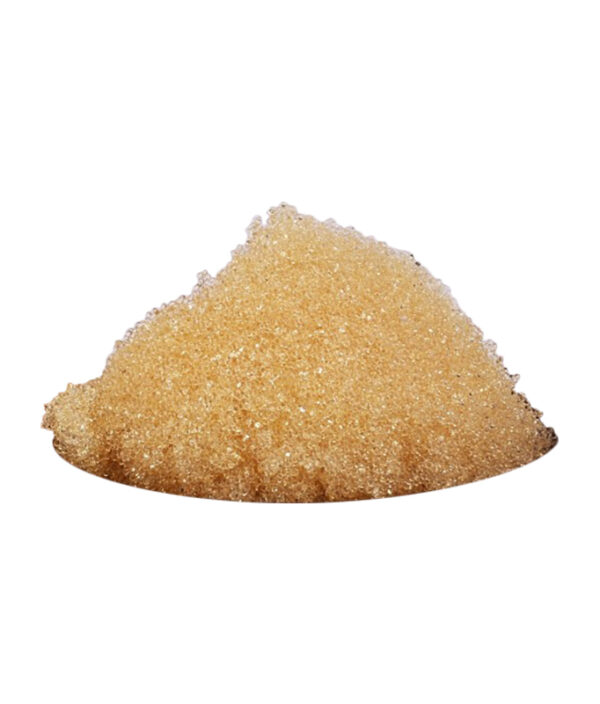
Ion-exchange resin 25L Bag
HOW RESIN IS USED IN WATER SOFTENING
When considering the purchase of a water softener, you will probably come across mentions of ‘resin’ in your research. Resin is an essential component in the operation of a water softener. Understanding how resin is used in water softening can be very helpful in choosing the right water softener to meet the needs of your home.
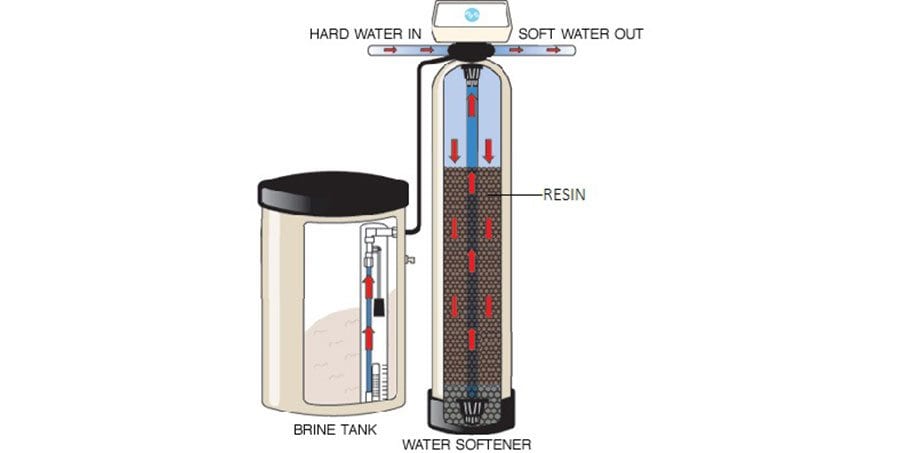
Resin is used in water softeners to initiate the ion exchange process, which draws the hard water minerals from your water. How well a water softener performs is dependent upon how effectively it uses its resin. When comparing water softener options bear in mind that the type of resin and the design of the tank can make a significant difference in how it performs.
THE WATER SOFTENING PROCESS
Resin consists of small plastic spheres that are packed in a “bed” inside the water softener tank. The resin beads hold a negative charge that will attract any positively charged ions. The pre-charged resin beads are initially coated with sodium ions, which naturally hold a positive charge. The ion exchange occurs when the positively calcium and magnesium ions in the water supply knock the sodium ions off the resin beads, and attach to the resin in their place. In the process, the sodium ions are released into the water.
Once all of the resin beads are saturated with hardness, the water softener needs to have a way to get rid of the calcium and magnesium it captured in order to continue collecting. Regeneration occurs as the water softener flushes out the hardness mineral ions using a brine solution. This solution is created when salt, or sodium chloride, is added to the water softener. The brine replenishes the resin beads with sodium ions. The positive charge of the resin is strong enough to break apart the sodium chloride compound coming in from the salt water, so they are ready to begin the ion exchange process again.


